
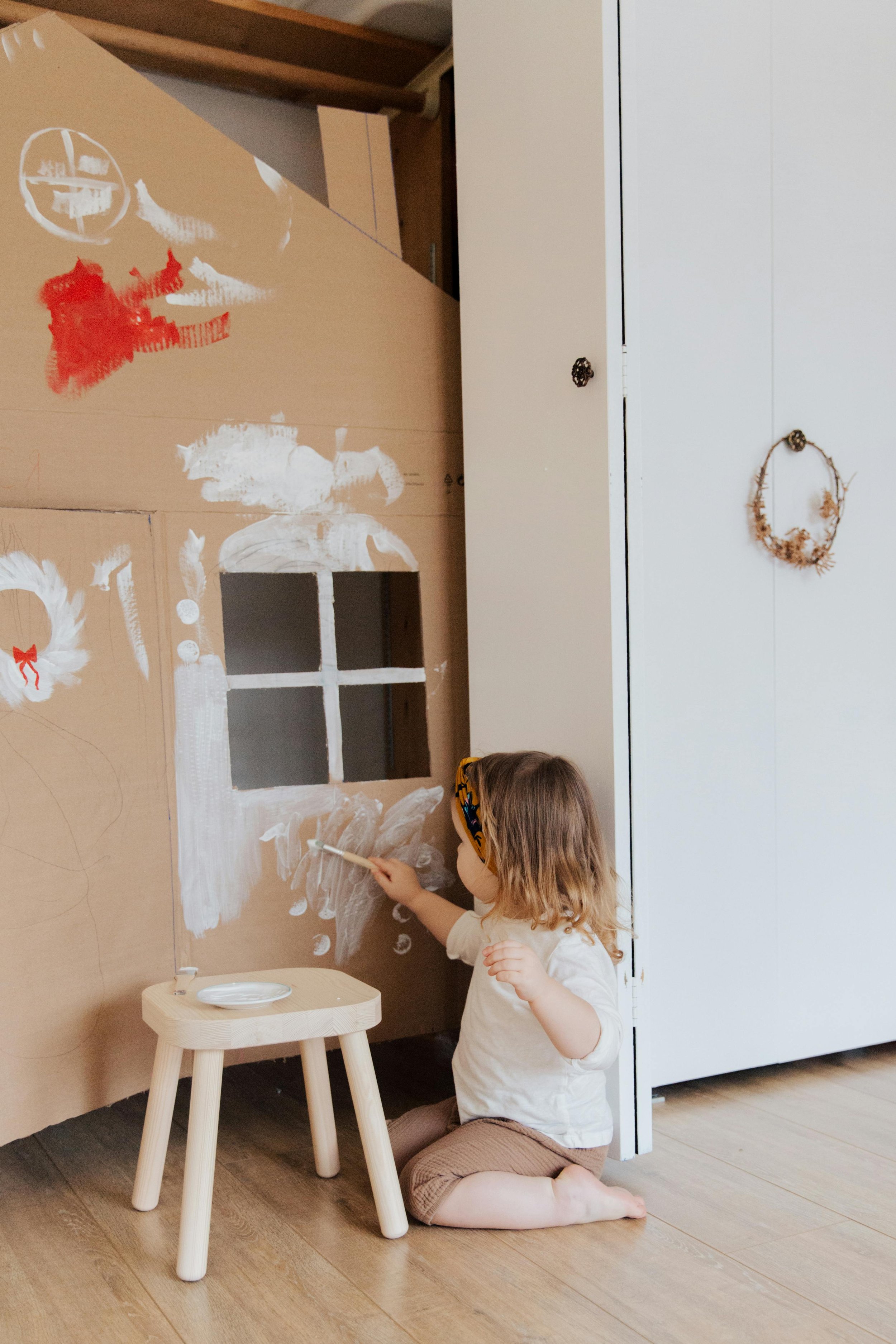
Elevating Quality of Daily Living through Occupational Therapy
Fine Motor Skills: such as grasping pencil, using utensils, cutting, as well as manipulating buttons.
Handwriting Skills: such as letter formation, spacing, alignment and legibility.
Self-Care Skills: such as showering, dressing, toileting and grooming.
Gross Motor Skills: such as coordination, balance, kicking/catching ball, running and riding a bike.
Executive Functioning Skills: such as planning, organising, sequencing and problem solving.
Self-Regulation: such as managing emotions, behaviours and emotional literacy.
Sensory Processing: such as sensitivity or aversion to sensory stimuli.
Attention and Engagement: such as sitting tolerance, focus and task completion.
School Readiness: such as social interaction, functional academics and following instructions.
Early Intervention: such as joint play, crawling, drawing and other developmental milestones.
What Occupational Therapy helps with?

Who can help:
Families have the option of accessing therapy with either an Occupational Therapist (OT) or an Occupational Therapy Assistant (OTA). We offer this choice to give families greater flexibility, and in many cases, being open to both options can mean your child is able to start therapy sooner.
-
Occupational Therapists are fully accredited professionals with AHPRA registration who run initial appointments as well as follow-up appointments.
-
OTAs are in the process of completing an Occupational Therapy degree, and may hold other relevant tertiary qualifications, such as a Degree in Health Science. They work under the close supervision of an OT, delivering therapy activities planned by the OT and recording observations for review.
For initial appointments, both the OT and OTA are present, with the OTA facilitating parts of the session and the OT providing supervision and clinical guidance. Follow-up sessions may be facilitated by the OTA according to the OT’s plan, with all progress reviewed by the OT.
Sessions run by an OTA are offered at a discounted rate while maintaining high-quality, clinically guided care for each child.
Whether your child’s sessions are with an OT or an OTA, you can be confident they are receiving evidence-based, goal-focused therapy designed to meet their unique needs.
How the process looks?
1
Complete easy child application form
Located on the top, right corner of our webpage.
2
Expect a call
When one of our therapists has available capacity that aligns with your availability.
3
Initial Appointment
This is an interview session where your therapist will discuss your child’s goals, functional capabilities, and areas of concern and implement clinical observations.
4
Assessments
Used for the purpose of reports required by NDIS, paediatricians, schools, other referring parties, or for your own information. Reports are optional.
5
Follow-Up Sessions
Therapeutic interventions are used to support your child’s goals.