

Elevating Quality of Living through Occupational Therapy
Our Service Portfolio

-
Does your child...
Have frequent meltdowns or big emotional reactions?
Become easily frustrated, upset or overwhelmed?
Find it hard to calm down after becoming upset?
Struggle with changes, transitions or things not going to plan?
Find it difficult to understand or express their feelings?
Become overwhelmed in busy, noisy or unfamiliar environments?
Occupational Therapy can help.
Our Occupational Therapists help children understand their emotions, recognise their body signals and develop practical strategies to manage big feelings.
We can support your child with:
Understanding and expressing emotions
Recognising triggers and body signals
Calming and coping strategies
Sensory and emotional regulation
Managing frustration, transitions and change
Building confidence and independence
Helping little minds manage big feelings.

-
Does your child...
Find it difficult to make or maintain friendships?
Feel shy, unsure or anxious around others?
Struggle to join in play or group activities?
Find sharing, turn-taking or cooperation challenging?
Have difficulty understanding social cues or boundaries?
Struggle with conversations or expressing their needs?
Lack confidence in social situations?
Occupational Therapy can help.
Our Occupational Therapists help children develop the skills and confidence to connect with others, build relationships and participate more comfortably in social situations.
We can support your child with:
Friendships, play and group participation
Turn-taking, sharing and cooperation
Social cues and personal boundaries
Conversation and communication skills
Managing emotions and social challenges
Self-advocacy and expressing needs
Confidence and self-esteem
Helping your child feel confident to connect, participate and be themselves.

-
Does your child...
Become overwhelmed by loud noises, bright lights or busy environments?
Avoid certain textures, clothing, foods or messy play?
Constantly seek movement through jumping, spinning, climbing or crashing?
Find it difficult to sit still or maintain attention?
Seek sensory input through chewing, touching or movement?
Find grooming tasks such as hair or teeth brushing challenging?
Become easily overwhelmed after busy days or outings?
Occupational Therapy can help.
Our Occupational Therapists help children understand and manage their sensory needs so they can feel more comfortable and participate confidently in everyday life.
We can support your child with:
Understanding sensory needs and triggers
Sensory and body awareness
Sensory regulation strategies
Managing sensory sensitivities
Safely meeting sensory-seeking needs
Supporting attention and participation
Making everyday routines and environments easier
Strategies for home, school and the community
Helping your child feel more comfortable, regulated and confident in their world.

-
Does your child...
Struggle with toileting or recognising when they need to go?
Need help with wiping, clothing or toileting routines?
Find dressing or managing buttons, zippers or shoelaces difficult?
Need extra help with showering, teeth brushing or grooming?
Have difficulty using cutlery or managing mealtimes?
Become overwhelmed during everyday self-care routines?
Rely heavily on adults for daily tasks?
Occupational Therapy can help.
Our Occupational Therapists help children build the skills and confidence to become more independent in everyday routines.
We can support your child with:
Toileting and body awareness
Dressing and managing fasteners
Showering, hygiene and grooming
Feeding and using cutlery
Fine motor and coordination skills
Sensory challenges during self-care
Building independence and confidence
Building everyday skills for greater independence.
-
Does your child...
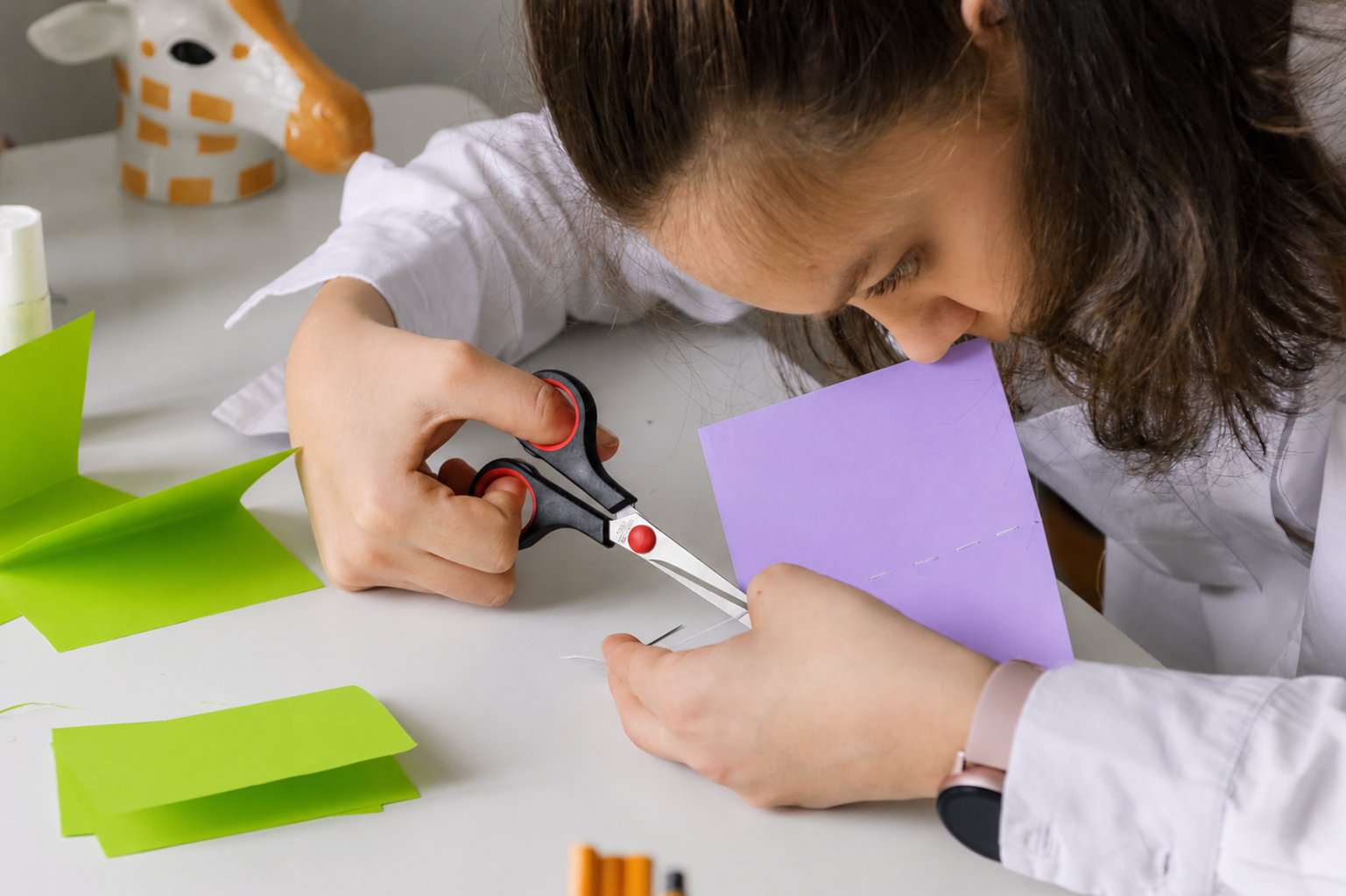
Struggle to hold or control a pencil?
Find using scissors difficult?
Tire quickly during drawing, colouring or writing?
Struggle with buttons, zippers or shoelaces?
Find using cutlery challenging?
Have difficulty with small toys, beads, blocks or puzzles?
Avoid activities that require hand skills?
Find using both hands together difficult?
Occupational Therapy can help.
Our Occupational Therapists use engaging, play-based activities to build the hand strength, coordination and control children need for everyday tasks.
We can support your child with:
Hand and finger strength
Pencil grasp and control
Scissor skills
Drawing, colouring and pre-writing
Hand-eye and bilateral coordination
Finger dexterity and fine motor control
Buttons, zippers and shoelaces
Cutlery and everyday self-care skills
Helping little hands build big skills for everyday independence.

-
Does your child...
Find running, jumping or climbing difficult?
Seem less coordinated or confident than other children their age?
Frequently trip, fall or bump into things?
Struggle with balance or coordination?
Find catching, throwing or kicking a ball challenging?
Tire quickly during physical activities?
Avoid playground equipment, sports or active play?
Have difficulty keeping up with other children?
Occupational Therapy can help.
Our Occupational Therapists use fun, movement-based activities to develop the strength, balance and coordination children need to confidently participate in everyday activities.
We can support your child with:
Balance and coordination
Core strength and stability
Running, jumping and climbing
Ball skills
Motor planning and body awareness
Strength and endurance
Confidence with playground and physical activities
Participation in sport and active play
Helping growing bodies move, play and participate with confidence.
Our Approach
Our Occupational Therapists believe that children thrive when they feel safe, supported and empowered. We use evidence-based, neuro-affirming and family-centred practices to support development in a way that is engaging and meaningful.
We work closely with families, educators and support networks to ensure strategies are practical, consistent and supportive across home, school and community environments, with the goal of helping every child feel valued, understood and able to participate and thrive.

Who Occupational Therapy is for?
Occupational therapy may benefit children who experience challenges with:
Autism Spectrum Disorder (ASD)
ADHD
Global Developmental Delay (GDD)
Sensory processing differences
Emotional regulation difficulties
Learning and attention challenges
Fine and gross motor skill delays
Self-care and daily living skills
Social interaction and play skills
School readiness

Signs your child may benefit
Avoid or seek certain sensory experiences
Have difficulty with handwriting, drawing or using scissors
Struggle with dressing, toileting or feeding independently
Have trouble managing emotions or coping with change
Find it difficult to focus, follow instructions or stay organised
Appear clumsy, uncoordinated or frequently bump into things
Have difficulty making friends or engaging in play with others
Become easily overwhelmed in busy environments
Struggle with transitions and daily routines
Find it challenging to participate in school or community activities
Who can help?
Families have the option of accessing therapy with either an Occupational Therapist (OT) or an Occupational Therapy Assistant (OTA).
We offer this choice to give families greater flexibility, and in many cases, being open to both options can mean your child is able to start therapy sooner.
-
Occupational Therapists are fully accredited professionals with AHPRA registration who run initial appointments as well as follow-up appointments.
-
Your therapy program is planned by the OT, while the OTA delivers the therapy sessions
OTA services are offered at a reduced fee

Appointment Structure

-
Initial Introduction Appointment
Interview appointment to discuss goals, strengths, capabilities and provide a comprehensive overview of your child
Completed with the caregiver via Telehealth or Face-to-face
Clinical Intervention Appointment
This assessment appointment is designed to clinically observe your child's functional capabilities. This appointment builds a foundation of your child's strengths and determines potential areas requiring support.
Observations from this appointment can be used for a report.
Ongoing Appointments
These appointments are designed and tailored to target your childs goals.
-
Initial Introduction Appointment
Interview appointment to discuss goals, strengths, capabilities and provide a comprehensive overview of your child
Completed with the caregiver via Telehealth or Face-to-face
Clinical Intervention Appointment
This assessment appointment is designed to clinically observe your child's functional capabilities. This appointment builds a foundation of your child's strengths and determines potential areas requiring support.
Observations from this appointment will be used for the intial report.
Ongoing Appointments
These appointments are designed and tailored to target your childs goals.